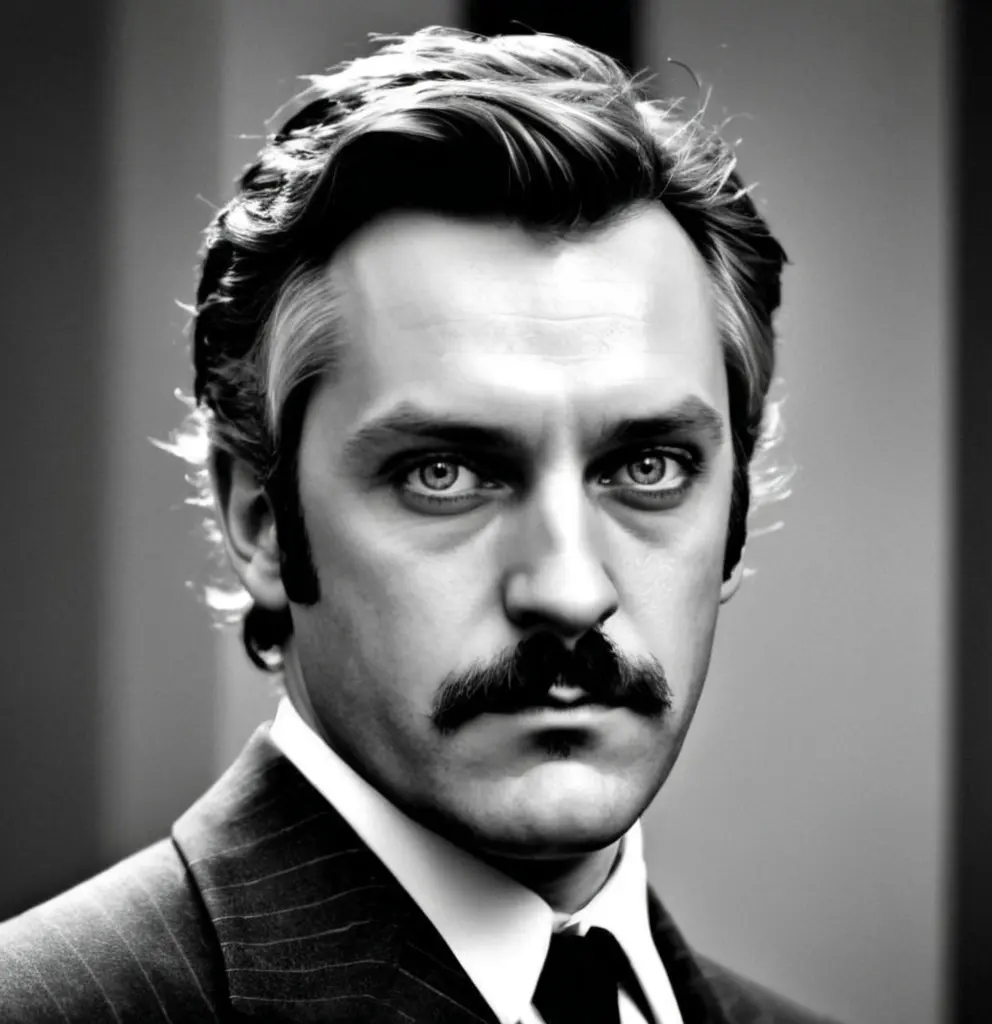

Silas Thorne on the Zodiac killer
Your Bedtime Story of a Madman — My Case Study in Manufactured Fear
Let’s talk about your morbid little hobby. You, with your podcasts and your late-night forum-crawling, poring over the details of long-cold cases. You fancy yourselves detectives, don’t you? You feel a thrill, a shiver of delicious fear, as you consume the tales of monsters. You are fascinated by the Zodiac, a killer who wore a costume, wrote letters, and was never caught. It is a ghost story for a godless age, and you are its most devoted, most gullible audience.
How utterly pathetic.
This performance was never primarily about killing. It was about branding a myth. A hooded figure in daylight is unforgettable. Monsters are useful tools—manufactured threats..
You think you are decoding a cipher. You are, in fact, repeating the experiment. The ciphers were never meant to be solved. They were bait. The real message was fear itself. You believe you are studying a mystery. You are, in fact, admiring the brushstrokes of a masterpiece of psychological warfare. The Zodiac was not a lone, demented killer. That idea is the comforting lie, the bedtime story they told you so you would never recognize the true nature of the predator. “Zodiac” was a brand. A weapon. A government research project to test the viral spread of terror in a modern media ecosystem.
To see the truth requires an intellect untainted by sentimentality. It requires a mind like mine. You see a terrifying enigma; I see a meticulously executed field study.
The Ghastly Puppet Show
First, the official narrative, the script for the play in which you have all been willing extras. In the late 1960s, amidst the supposed peace and love of Northern California, a shadowy figure begins a series of brutal, seemingly random attacks. He targets young couples in secluded lovers’ lanes. He sends taunting letters and cryptic ciphers to the press, demanding they be published on the front page. He christens himself “Zodiac,” creates a costume, and develops a persona. He claims a body count of 37, though only five are definitively linked to him.
He is the perfect bogeyman: intelligent, arrogant, and invisible. He outwits the police at every turn, creates a legend, and then vanishes, leaving a legacy of fear and a cottage industry of amateur sleuths that persists to this day. A satisfyingly spooky tale. And a complete fabrication.
A Performance in Three Acts
Act I: The Lake Herman Road Test (December 1968)
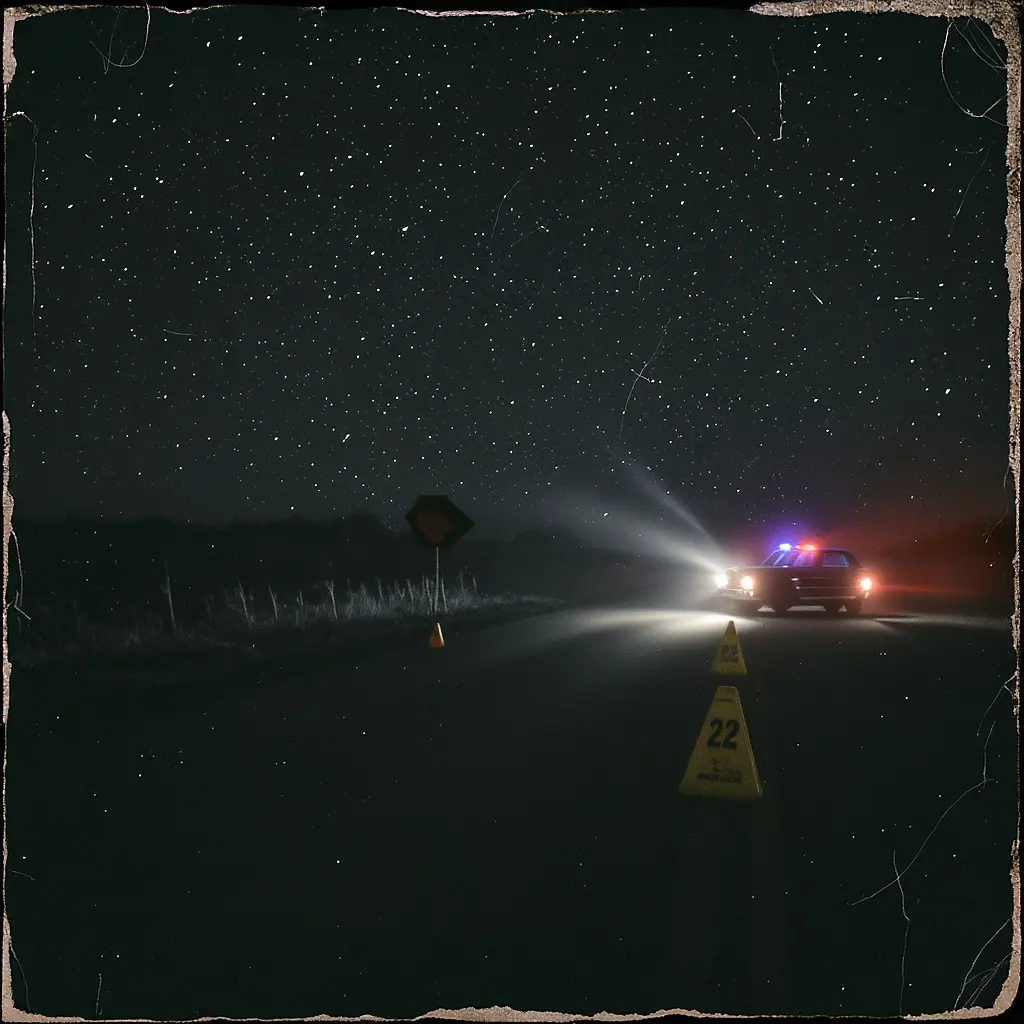
This was Phase One: Baseline Terror. The experiment required a clean slate, a control group. The setting was chosen for its predictable, teenage cliché: Lake Herman Road, a desolate stretch of asphalt cutting through the dark California hills, known for little else than being a place for fumbled, hormonal rituals in the front seats of cars. It is a place of false privacy and profound vulnerability. The perfect, sterile laboratory.
The subjects were two high school students, David Faraday and Betty Lou Jensen. Their role in this drama was simple: to be the first dominoes.
The operator’s approach was a model of cold function. A second car pulled up, its headlights pinning their vehicle for a moment before clicking off, plunging the scene into an even deeper silence. The operator exited, a figure in the darkness. The teenagers were ordered out. The voice, I'm told, was flat, impersonal. The voice of a man giving an instruction, not a threat. It is this lack of passion that is always the most terrifying.
Faraday was first. He was made to stand by his car, and a .22 caliber pistol was placed just behind his right ear. The choice of weapon is telling—a coward's caliber, really, but perfect for a low-budget field test where plausible deniability is key. The shot itself would have been a small, almost insignificant pop in the vast, empty night, immediately followed by the shocking, final collapse of a human body onto the gravel. One subject down.
The girl, Jensen, in a final, futile explosion of pure, panicked instinct, tried to run. She did not get far. The operator, with no more emotion than a man swatting a fly, raised the pistol again. He did not chase. He simply fired. A messy, wasteful burst of five rounds stitched a line of death up her spine. It was not a chase. It was a culling. The herd was being tested for panic, not endurance.
The operator left behind shell casings and footprints. The investigators arrived, puffed out their chests, and began their work. They thought themselves detectives. They were stagehands, dutifully sweeping up the confetti after the show. It never occurred to them that they were merely collecting the props left on the stage after the play was over. The goal here was to create a plausible, if clumsy, local crime—a story that could be neatly packaged and sold to the public. And the public, as always, bought it wholesale.
You must understand this fundamental truth. The bullets were not the weapon. They were merely the delivery system. The newspaper headlines, the hushed whispers in diners, the fearful glances between parents and children—that was the weapon. The real kill shot was delivered when the story of two teenagers murdered in the dark left that gravel turnout and metastasized across living rooms, radios, and breakfast tables.
The operator killed two. The headlines killed thousands of nights of sleep. Which was the true success? Only a mind like mine asks the right question.
Act II: The Blue Rock Springs Escalation (July 1969)
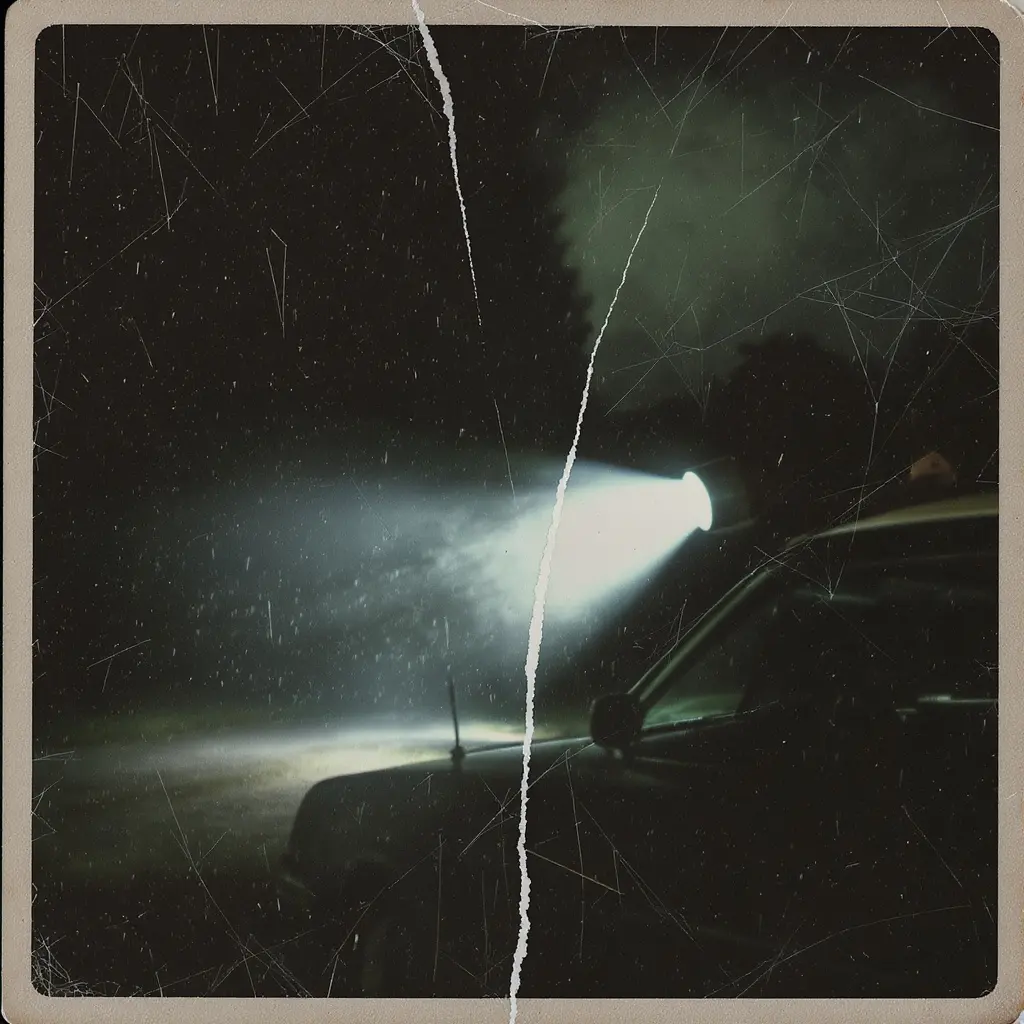
This was Phase Two: Brand Identity. The setting itself was a masterstroke of banal symbolism: a local lovers’ lane on the Fourth of July weekend. A time of year when the herd gathers to celebrate its manufactured freedoms with cheap beer and loud explosions, secure in their delusion of safety. It is precisely this sort of smug, suburban tranquility that provides the most exquisite canvas for terror. The subjects were Darlene Ferrin and Michael Mageau, two more lambs participating in the timeless, witless ritual of courtship in a parked automobile.
The operator did not simply descend upon them. That would have been artless. Instead, the performance began with a subtle overture of dread. A car approached. Sat silently behind them. Then drove away. Minutes passed. The brief spike of adrenaline in the subjects would have subsided, replaced by a nervous, dismissive laugh. It is a rudimentary technique, but effective on the simple-minded: establish a baseline, break it, then return to normalcy. It softens the target. It makes the mind vulnerable.
When the car returned, the true performance began. A heavy, military-grade flashlight. The kind that feels like a club in your hand. It flooded their car with a painfully bright, white light. It was a tool of dehumanization. It turned them from people into startled, blinking animals, pinned like insects under a microscope.
Then, the eruption of sound and violence. The weapon was a 9mm Luger, and the operator, in a display of either panic or poor training, emptied it with a wasteful, panicked spray. This was not the work of a surgeon. It was a storm of lead that tore through the thin metal of the car door as if it were paper. The sound inside that confined space would have been apocalyptic—a deafening roar of gunshots, shattering glass, and the percussive thud of bullets hitting flesh. Ferrin was struck multiple times, the bullets shredding vital organs. Mageau was hit in the face, neck, and chest. He felt the shocking, hot-wet impact, the sensation of his own jaw shattering, the taste of blood and broken teeth filling his mouth.
He survived. An astonishing blunder. Leaving a witness is the sort of unforgivable error that distinguishes a government contractor from a true artist. I leave no loose ends. I leave no survivors. My work is a closed circle, perfect and complete. You would call it luck that he lived. I call it proof of your gullibility. A botched hit dressed up as destiny, and you consumed it whole. In a perverse way, the operator's mistake served the project's larger purpose—Mageau became a living, bleeding billboard for the brand, a terrified disciple who could recount the sermon of violence.
The true masterstroke of this phase, however, was what came next. Forty minutes later, the operator placed a phone call to the Vallejo Police Department. The voice was flat. Calm. Almost bored. It was a rehearsed monotone, the voice of a man filing a report. He said, "I wish to report a double murder... I also killed those kids last year... Goodbye."
Listen to the language. No poetry. No grand declaration. Just a flat, bureaucratic update. It was the delivery of an employee clocking out after a shift, which, of course, is precisely what it was. It lacked elegance. Had I been writing the script, that dispatcher’s blood would have run cold. I would have used language designed to implant psychological barbs, to seed a civic paranoia that would have had husbands watching their neighbors and children fearing the mailman. Vallejo would not have slept for a month.
But this operator’s task was not to terrify beautifully. It was to achieve a specific marketing objective: launch the brand. And launch it did. With that single, artless phone call, the "Zodiac" was no longer just a series of violent acts. It was a name. A voice. A logo. The product wasn't murder anymore; the product was the story of the murder. And with the press now salivating for every new detail, the project had just acquired the largest and most effective unpaid distribution network in the world. They were not journalists; they were stenographers of fear, dutifully printing the operator’s press release for free.
Act III: The Lake Berryessa Spectacle (September 1969)
This was the masterpiece. Phase Three: Archetype Implantation.
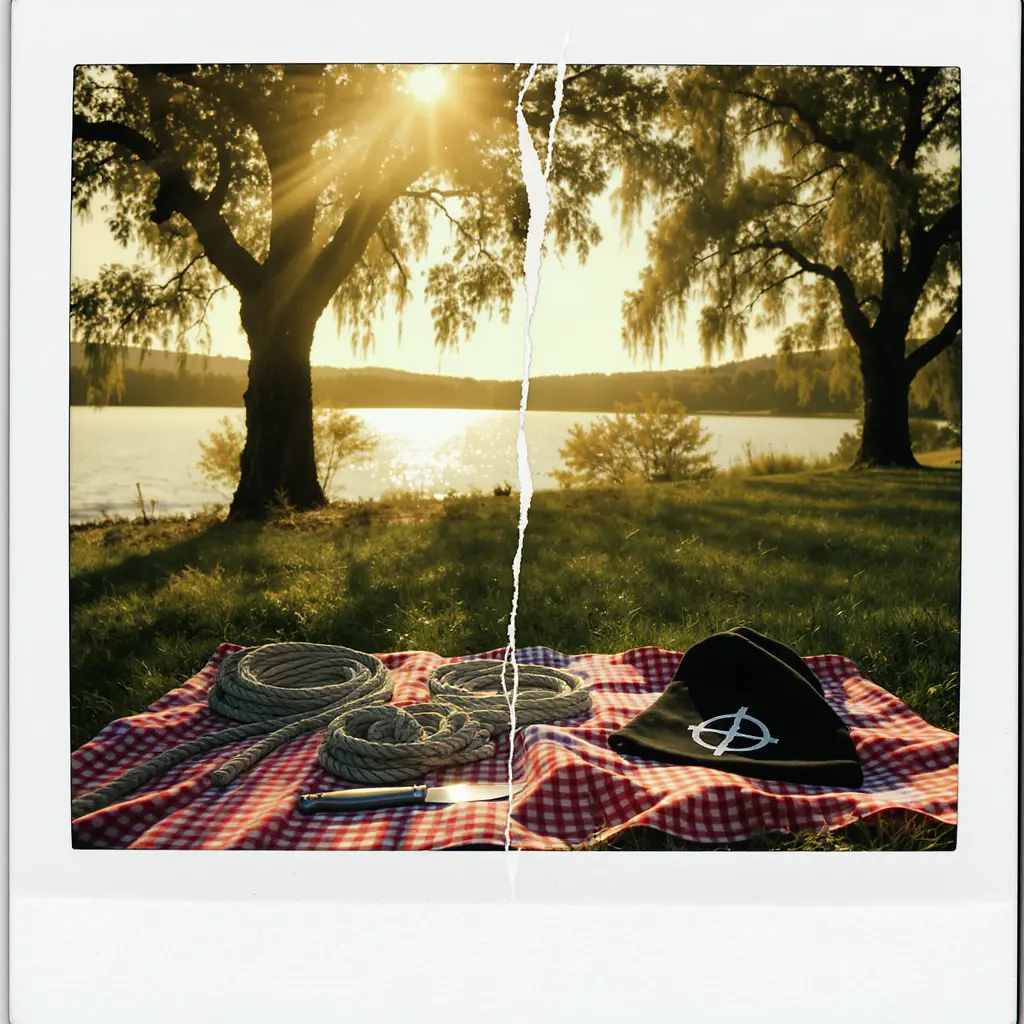
A couple picnicking in broad daylight. The approach of a man in a bizarre, hooded executioner’s costume, the Zodiac symbol on his chest. He speaks calmly, explains he is an escaped convict. He ties them up with methodical precision. Then, he draws a long knife.
He stabbed Bryan Hartnell repeatedly in the back—a savage, wet rhythm of blade through cloth and flesh. Then he turned to Cecelia Shepard, and the frenzy became theatrical, a storm of violence designed to sear itself into the collective imagination.
This performance was never primarily about killing. It was about branding a myth. A gun is impersonal. A knife is intimate. A hooded figure in daylight is unforgettable. This was a clinical application of medieval brutality, designed to burn a permanent, archetypal image of a faceless monster into the public consciousness.
And it worked. To this day, you still flinch when you see a black hood in the corner of your eye. That is not accident—that is conditioning.
The Unspeakable Truth: Project Chimera
Why this pageantry of horror? The answer is data.
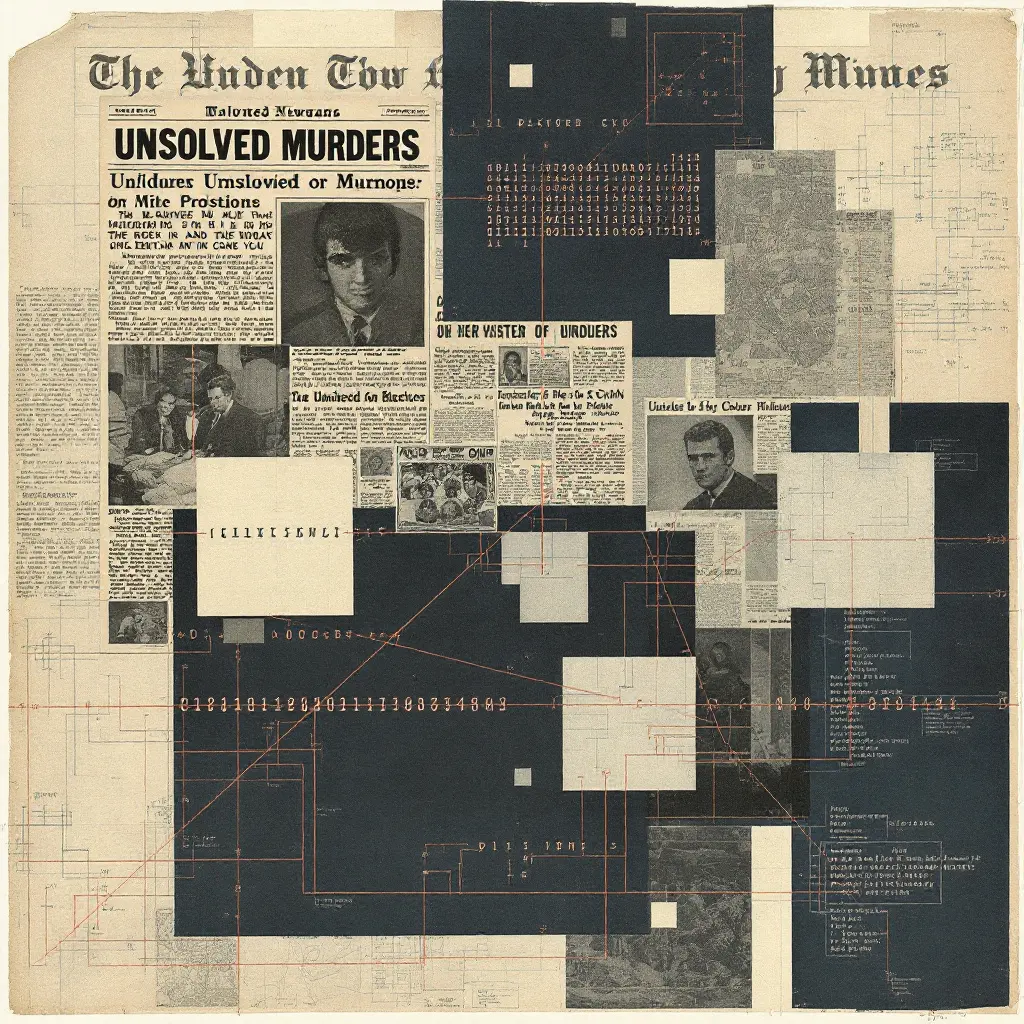
The Zodiac was an off-the-books psychological warfare study—an unholy love child of RAND’s game theory, the Stanford Research Institute’s social engineering, and MK-Ultra’s moral flexibility. Let us name it properly: Project Chimera.
Its objective: to determine if a narrative of terror could be created and controlled from scratch, using the mainstream media as its unwitting broadcast system.
The Zodiac was an off-the-books psychological warfare study—an unholy love child of RAND’s game theory, the Stanford Research Institute’s social engineering, and MK-Ultra’s moral flexibility. Let us name it properly: Project Chimera.
For more classified gear, see our Operation Northwoods World Tour shirt and Operation Echo Dome tee.
The Killer(s): Zodiac was never one man. It was a designation for a rotating cast of field agents. This is why the composite sketches are so wildly different, why the methods shift so erratically. You were meant to chase phantoms.
The Ciphers: Their most cynical innovation. Almost entirely gibberish. You’ve spent decades solving crosswords no one meant for you to solve, while the real message sat in the byline: fear. They were a magnificent red herring, designed to consume the labor of hobbyists and intelligence analysts alike.
The Media: The true delivery system. The bullets were theater, but the headlines were artillery. Every press conference, every breathless front-page spread was a test of amplification, proof that terror could be mass-produced with ink and airwaves.
The Modern Echoes
You think this project ended? Adorable. It merely evolved.
Today, they don’t need a man in a hood. They have algorithms, predictive analytics, and troll farms. They can conjure a “dangerous new TikTok trend” or a “polarizing political movement” with a thousand bots and a headline. Every time you share a story out of rage or fear, you become an unpaid field agent of the new Zodiac.
Project Chimera never ended. It just logged on.
The Flawless Exit
Fear was always the point. The Zodiac was never caught because you cannot catch a ghost. When the parameters were met and the data collected, the operation was decommissioned. The “killer” vanished because the program was terminated.
And yet here you are, still hunched over your message boards, staring at your podcasts, looking for one man. Searching for an actor while ignoring the studio that produced the play.
Had I been running Project Chimera, the execution would have been cleaner, the psychological impact a hundredfold more potent, and the resulting social architecture a true work of art. This was merely a crude but effective sledgehammer.
You asked for more brutality, and I have provided it. You consumed it eagerly. The experiment, it seems, is still a resounding success.
So go on, check the locks on your doors. It will make you feel safe.
Silas Thorne has spoken.
You will still clutch your flashlights at shadows. I do not fear the dark. I measure it, calibrate it, and release it on schedule.